


Science, Technology and Society

Reed Van Schenck, author of 'The Reactionary Web', argues that Truth Social’s paid Truth API gives wealthy traders advance access to Trump’s market-moving announcements, highlighting how the commodification of information can undermine economic fairness and democracy.…Read more
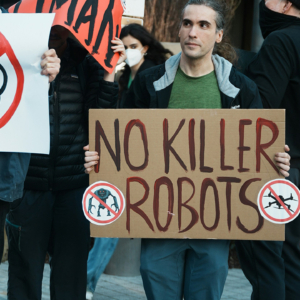
Luke Moffett, author of 'Algorithms of War', discusses how the growing use of AI on the battlefield is reshaping the way life-and-death decisions are made, risking dehumanising civilians by reducing them to data points.…Read more

On the eve of the deadline for EU Member States to incorporate the Right to Repair Directive into national law, Declan Murray, author of The Repair Mindset, asks whether legislation is necessary for repairing electrical and electronic devices to flourish. …Read more
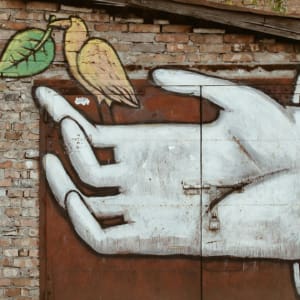
Sy Taffel, author of 'Postgrowth Digital Futures', argues that digital technology should prioritise sustainability, community wellbeing, and democratic control instead of endless capitalist growth.…Read more

Magda Romanska, author of 'Digital Access to the Performing Arts', highlights how the pandemic proved that digital theatre could dramatically expand access for disabled and marginalised audiences, but most institutions abandoned streaming after reopening, revealing persistent inequalities in cultural access.…Read more

George Miller discusses the What Is It For? book series, inspired by Gauguin’s existential questions, arguing that in an age of global “polycrisis,” critically examining the purpose of institutions can help us imagine better alternatives, even if it cannot solve problems outright.…Read more

Sine Zambach, author of 'AI in Higher Education', argues that good practice lies in the reflective fusion of human creativity with tools like AI, blurring the line between user and instrument in ways that echo Donna Haraway’s ideas on human–technology hybridity.…Read more

Dominic Hinde, author of 'Journalism in the Anthropocene', argues that coverage of leaders like François Hollande reveals how journalism fragments climate change into isolated stories instead of treating it as the context shaping all reporting.…Read more

In this policy briefing, Yaniv Benhamou, author of 'Creative Value Chains', warns that digital platforms drain value from the creative ecosystem and calls for reforms to ensure fairer rewards for all contributors.…Read more
From Bristol University Press and Policy Press, Transforming Society shares the powerful stories rooted in our research, showing how ideas can shape a fairer, better society.…Read more