


Technology, data and society

Garfield Benjamin considers the AI Safety Summit and asks if it's really about building trust to set a tone for responsible technologies? Or simply a lot of posturing that will only serve to further entrench monopolies and concentrate power?…Read more

Patrick White, editor of 'Straightforward Statistics', reveals his findings with Emma Smith on research into our shortage of STEM professionals.…Read more
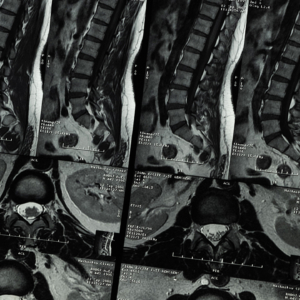
Tina Sikka, editor of 'Genetic Science and New Digital Technologies', discusses the effect that health technology such as full-body MRI scans is having on our understanding of what constitutes good health. …Read more

Scott Timcke, author of 'Algorithms and the End of Politics', looks at the dangers of attributing human-like intelligence to machines in the context of the rollout of AI products. …Read more

Jannie Møller Hartley, co-editor of 'DataPublics', considers the increasing amounts of data in our society, which is leading to echo chambers and new forms of capitalism that are surveying citizens at all times. …Read more

Warren Chin, author of 'War, Technology and the State', looks at the effect of the fourth industrial revolution on the relationship between war and the state.…Read more

Dan McQuillan, author of 'Resisting AI' looks at how the publication of his book has helped move the AI discussion away from ‘is it good or bad?’ to the more radical and worrying aspects of the technology as it is being implemented, in terms of augmenting society’s existing disparities.…Read more

In this final short conversation with Jack McDonald, author of What Is War For?', we turn to the part played by technology in war.…Read more

In this, the last of three short conversations, Tim Stevens focuses on cybersecurity’s political dimensions.…Read more

Adetoun Adebisi Oyelude calls for scrutiny of the role of indigenous knowledge in sustainable development and asserts that it should be treated with respect. …Read more