


More than 2.5 million people in the UK live in households that used a food bank in the past 12 months, according to data collected in 2024–25.
High levels of food insecurity, deepening poverty and large numbers of households unable to afford the essentials are not just policy challenges: they represent significant human suffering that will have impacts for years to come. At the same time, the size of the social security bill attracts increasingly vocal concern, and economic inactivity for health-related reasons remains high.
The policy response must not be driven by fear or short-termism. The basic rate of Universal Credit is currently set without reference to living costs and falls below the cost of the essentials: cuts to social security would only deepen the harms people are currently experiencing. Rather, action is needed both to increase participation in paid work and to strengthen our social security system, if sustainable progress is to be made towards a food bank free future.
Heather Buckingham is Social Change Advisor at Trussell, a charity whose goal is to end hunger in the UK.
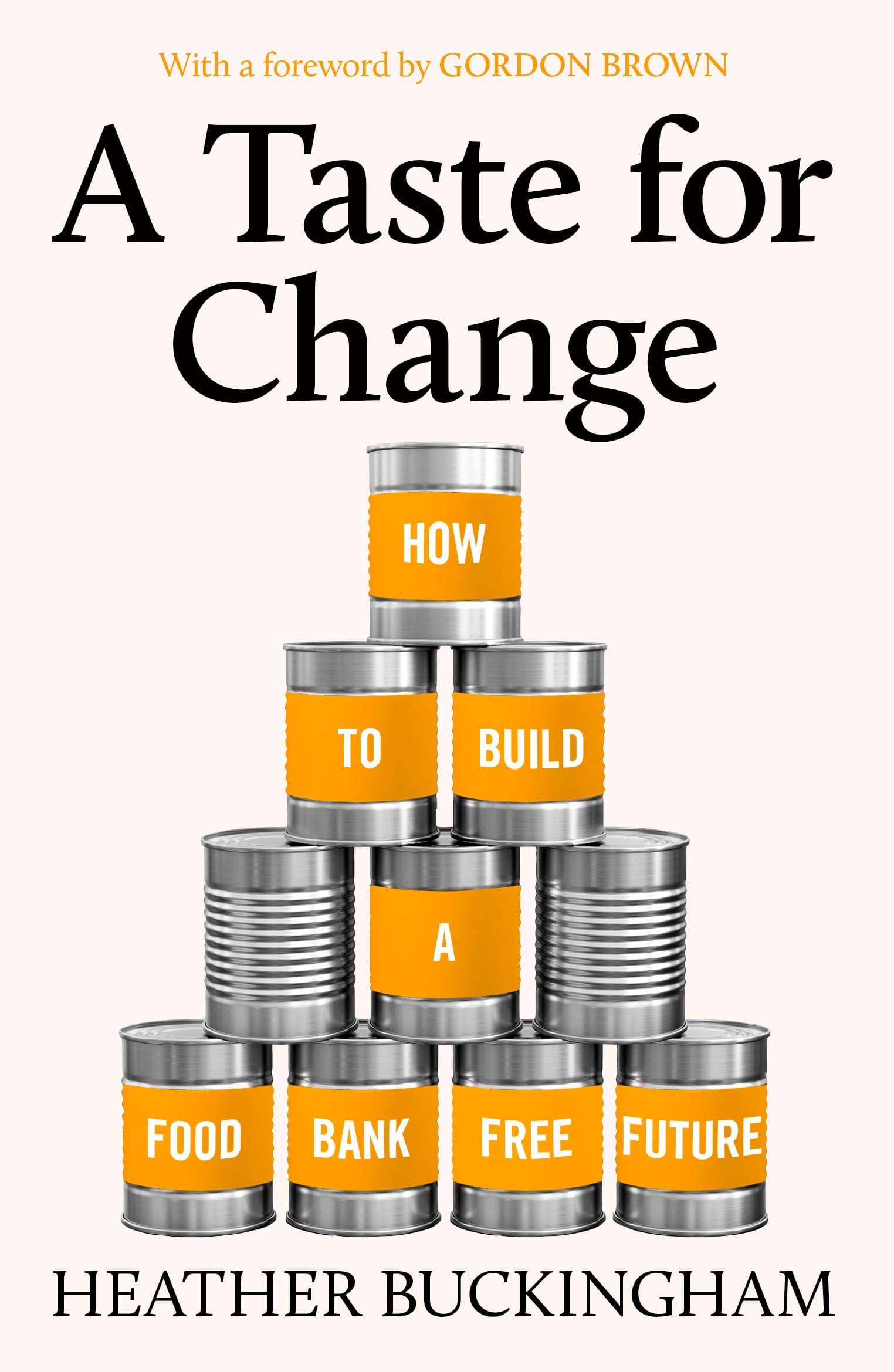 A Taste for Change by Heather Buckingham is available for £12.99 on the Policy Press website.
Bristol University Press/Policy Press newsletter subscribers receive a 25% discount – sign up here.
Follow Transforming Society so we can let you know when new articles publish.
The views and opinions expressed on this blog site are solely those of the original blog post authors and other contributors. These views and opinions do not necessarily represent those of the Policy Press and/or any/all contributors to this site.
Image credit: CHUTTERSNAP via Unsplash