


During the recent pandemic, older people were largely dismissed as vulnerable and in need of protection. But was this an oversimplified and misleading narrative? Were they, in fact, an untapped resource?
The message of the day encouraged older people to keep themselves to themselves but concealed the reality that many were healthy and energetic and keen to be useful and help out. By sidelining this large section of the population, society overlooked a wealth of experience, skills and community spirit – at a time when they were needed most. The failure to actively harness the resource older people could offer was not just a slight but also a missed opportunity.
When the first lockdown in Britain was announced five years ago, life changed overnight. With everyone apart from essential workers confined to their homes, the meaning of time was transformed. For men and women aged 70 or over who wrote diaries over the pandemic period, cancellations of holidays, meetings and a wide range of other activities called for a rethink. Communicating with family and friends, and conducting all manner of activity over Zoom became a major preoccupation. Planning meals, procuring food, cooking, and eating were also enhanced priority. Being outdoors in the good weather, whether in gardens, allotments or neighbourhoods, proved an additional enjoyable activity.
But many of these diarists wanted to do more. In the main they were fit and active, and it was common among them to resent the fact they had been labelled as old and vulnerable. For some, the government’s messaging was not just patronising – it was infuriating.
Appletree: Retrospective – Monday 13 April 2020
I was furious about the over 70s being highlighted as vulnerable and like many was shocked to feel my age and the ghastly label elderly for the first time. Realised straightaway what the ‘herd immunity’ idea was – let the oldies and the sick die off and then we will have a young, fit herd left.
Barefoot Doc: Retrospective – Thursday 2 April 2020
‘It’s fine – for other old people, not for me.’ I was angry when I got a text, telling me I should stay indoors. Mind your own business! You don’t know my circumstances.
Diary entries confirmed how they kept busy. They also showed how they had become more actively involved in their communities, from the weekly Thursday meetings, ostensibly to clap for essential workers, the rise of local WhatsApp groups, and the increase in community spirit. Other local activities proliferated, such as running food banks, delivering medicines, newspapers and groceries. Becoming friendly with neighbours for the first time, and generally keeping up morale, were also in evidence.
Caractacus: Wednesday 1 July 2020
Reported to the Co-op to pick up food deliveries. This is the last week the Community support group are offering the service. Only three today, but that brings my total to 66 deliveries, of which 5 were prescriptions.
Ottolie: Sunday 12 April 2020
Leapt up at 5.30 and delivered a few eggs to all my neighbours, such fun racing around at dawn in my pjs, trying not to rustle. The path runs up and down in front of our only doors, narrow. Everyone asleep. I suppose I can call this exercise. I think my bunny hopping days are over though. Delivered myself one too so no-one will know.
Nonetheless, many of these diarists would have liked to make an even greater contribution. They felt helpless and frustrated when their attempts to help others were thwarted. Several wrote about how they had offered their voluntary services which had not been taken up, sometimes due to cumbersome bureaucracy or because they were apparently thought to be too old.
BettyMac: Thursday 16 April 2020
On the diary front I have still not had any call for my volunteering services although I have been advised it is taking time to set up procedures.
Francia: Thursday 2 April 2020
Received email from village volunteer organiser saying that as we are 70+ we are not covered by the Parish Council’s insurance for volunteering work. That halves the number allocated to our little patch. We will just provide telephone chat if needed. Still no calls for any assistance. Sure this will continue to be the case knowing the residents in our allocated area.
Sardomike: Sunday 26 April 2020
I miss not being able to do something constructive, it feels wrong that I’m not volunteering, delivering food to the needy, something, anything. Hard to accept that I’m one of the vulnerable.
Of course, these diarists considered themselves among the most fortunate and in no way would claim to speak for all those in their age group. Statistics collected during the pandemic clearly demonstrated that septuagenarians, octogenarians and those older were much the most likely to get ill and die from COVID-19, that some lived in care homes with all the attendant risks of infection, and that others were lonely living alone. Additionally, physical health issues might well remain untreated, and mental health problems could develop. Large numbers of older people were in need of support.
And this is where those like the diarists could have helped. Indeed there are lots of people who remain fit and active into older age. Witness Rod Stewart and Paul McCartney, for instance, who carry on touring the world and entertaining the crowds. Or Esther Rantzen, who continues to campaign. Those are just the names we know. There are many more besides.
The stark lesson is this: in any future crisis, we must define people by their capabilities and not their age. Policy makers, volunteer organisations and communities must rethink outdated assumptions and create systems that enable older people to contribute. These men and women frequently have spare time, and they maintain the concerns and volitions from their earlier lives. They were undoubtedly a missed resource during the pandemic when they could have really helped to raise the spirits of those more housebound than themselves.
Next time – because there will be a next time – let’s not make the same mistake. Instead, let’s recognise and mobilise the untapped strengths and abilities of older generations.
Nicola Madge, Honorary Professor, Kingston University London
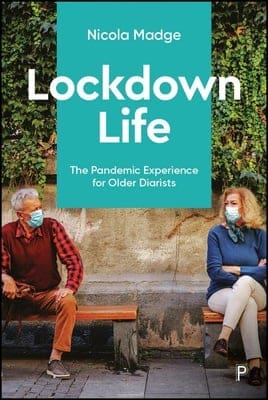 Lockdown Life by Nicola Madge is available on Policy Press for £80.00 here.
Follow Transforming Society so we can let you know when new articles publish.
The views and opinions expressed on this blog site are solely those of the original blog post authors and other contributors. These views and opinions do not necessarily represent those of Bristol University Press and/or any/all contributors to this site.
Image credit: Matt Bennett via Unsplash