


Politics and International Relations

Reed Van Schenck, author of 'The Reactionary Web', argues that Truth Social’s paid Truth API gives wealthy traders advance access to Trump’s market-moving announcements, highlighting how the commodification of information can undermine economic fairness and democracy.…Read more
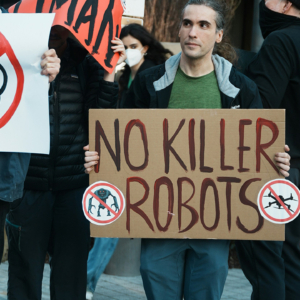
Luke Moffett, author of 'Algorithms of War', discusses how the growing use of AI on the battlefield is reshaping the way life-and-death decisions are made, risking dehumanising civilians by reducing them to data points.…Read more
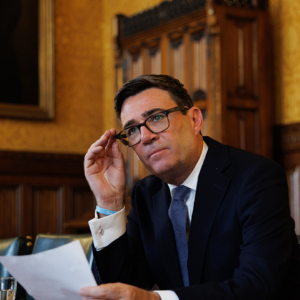
ASAP UK urges Andy Burnham to make tackling poverty a central priority through stronger social security, child-poverty action, decent wages, social housing and treating poverty as a health issue.…Read more
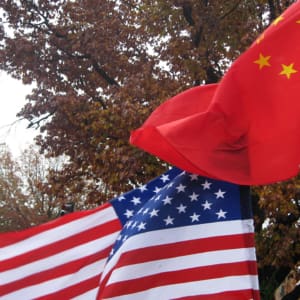
Nick Bisley, author of 'Asian Crucible', examines how geopolitical tensions, particularly between the US and China, are reshaping globalisation by redirecting trade, supply chains and investment, while increasing economic friction and risk across Asia.…Read more

Helen Keane, David Moore and Mats Ekendahl argue that Andy Burnham’s celebration of pubs and moderate drinking highlights a tension between alcohol’s genuine social benefits and the increasingly dominant public-health focus on its harms, which can overlook class and gender inequalities and the value of community and pleasure.…Read more
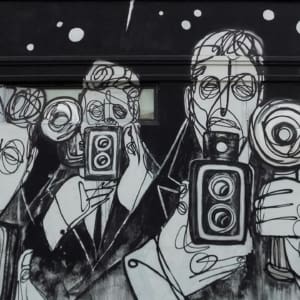
The article argues that, rather than repeating the tragic crises of the 20th century, today’s unstable world order is characterised by a politics of farce, driven by populism, spectacle and the contradictions of a capitalism in permanent crisis.…Read more
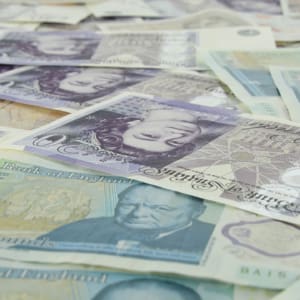
This policy briefing explores the deep-rooted causes of poverty in the UK and argues for a new approach focused on living standards, essential goods and universal public services rather than income alone.…Read more
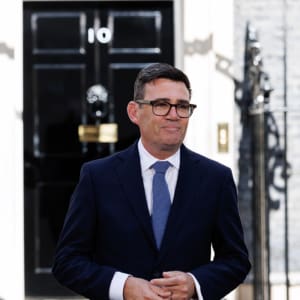
Ed Bridges discusses how Andy Burnham's devolution agenda could face a major test if it expands powers within England while resisting greater devolution for Scotland, Wales and Northern Ireland.…Read more

Aaron Martin, author of 'The Trust Gap', argues that the perceived "crisis of trust" is overstated: while public trust in politicians is often low, survey data shows that many people continue to have confidence in institutions such as universities, the courts, the police, and scientific experts.…Read more

Lee Gregory suggests that the next Labour leader should reject the false choice between welfare and defence by arguing that reducing poverty is an essential investment in national security, economic strength, and long-term prosperity.…Read more