


Social and Public Policy

ASAP UK urges Andy Burnham to make tackling poverty a central priority through stronger social security, child-poverty action, decent wages, social housing and treating poverty as a health issue.…Read more

This policy briefing explores the deep-rooted causes of poverty in the UK and argues for a new approach focused on living standards, essential goods and universal public services rather than income alone.…Read more

The policy briefing argues that unpaid carers and their organisations must be central to social care reform. Drawing on the history of the carers’ movement, it shows how carers’ organisations have raised awareness, influenced policy and developed practical solutions in the UK and internationally.…Read more

This policy briefing explores how community empowerment programmes give residents greater control over local decision-making in response to growing social division and declining trust in democracy.…Read more

Ed Bridges discusses how Andy Burnham's devolution agenda could face a major test if it expands powers within England while resisting greater devolution for Scotland, Wales and Northern Ireland.…Read more

Aisha K. Gill argues that London's response to group-based child sexual exploitation should focus on improving evidence, identification, and protection for all victims rather than fixating on offender ethnicity.…Read more

Graham Box and Kenneth Chambaere, authors of 'Assisted Dying', argue that while reintroducing the previous assisted dying bill may be politically practical, Westminster should instead learn from Jersey’s more consultative and flexible model to create safer, more widely supported legislation.…Read more

Lee Gregory suggests that the next Labour leader should reject the false choice between welfare and defence by arguing that reducing poverty is an essential investment in national security, economic strength, and long-term prosperity.…Read more
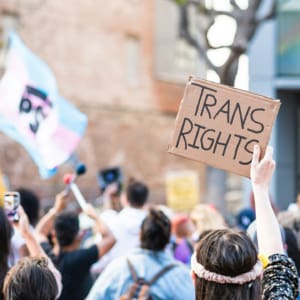
Sandra Duffy argues that the EHRC’s new guidance, following the 2025 Supreme Court ruling, effectively excludes trans people from equal participation in public life by restricting access to gendered spaces and forcing segregation, which the author says undermines their rights, dignity, and safety.…Read more
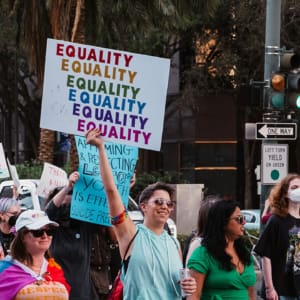
Lee Gregory, Eleanor Formby and Peter Matthews discuss how Scotland's rights-based social security system has improved the experiences of many LGBTQ+ claimants, while persistent discrimination and weakening political support continue to undermine genuine equality.…Read more