


Sociology
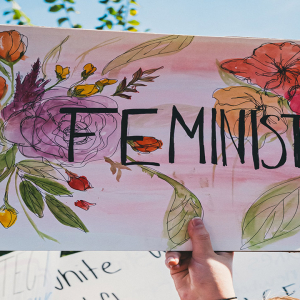
On Transforming Society, Stephen Wenham, our Publisher for Politics and International Relations, has curated a reading list that highlights the broad range of gender and politics publications from Bristol University Press. …Read more

For World Mental Health Day, this article draws attention to the global discrimination people experience because of their weight and the negative impact fatphobia has on a person's mental health. By addressing the stigma surrounding weight and body size, the authors argue for a weight-neutral perspective and highlight the need for radical social and policy change.…Read more

Louise Ashley argues that diversity initiatives that promise to address inequalities in the workforce have no impact on the highest earners in London, such as lawyers and bankers.…Read more

This paper from Families, Relationships and Societies, considers how research on families living in poverty, specifically those in Israel during the Covid-19 pandemic, is often at risk of objectifying the poor or blaming them for their circumstances. …Read more

Peter Beresford introduces a webinar which will offer an important chance to articulate and explore the issues around user involvement in mental health policy and provision.…Read more
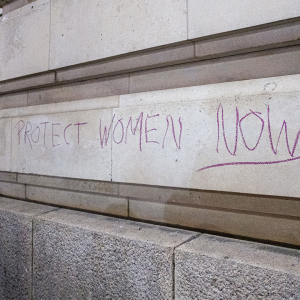
What does a feminist peace look like? In this new article, Sarah Smith and Keina Yoshida outline the approach of their new book ‘Feminist Conversations on Peace’.…Read more

Olumba Ezenwa explains cognitive immobility, a mental entrapment that leads to (un)conscious efforts to recreate memories of events or people from the past. For refugees, this can be a major barrier to integration.…Read more

Mona Abdel-Fadil, contributor to a new book, 'Muslims and Humour', compares Arabic and English approaches to reframing ISIS as laughable, exploring the power of comedic heroism.…Read more

Based on 'Disproportionate Minority Contact and Racism in the US' by Paul R. Ketchum and B. Mitchell Peck, this policy briefing covers key messages and policy recommendations, including a holistic approach to reforming policing departments and the need to abolish programs which target minority youth.…Read more

“The mad yellow book” gives a voice through a graphic novel to the marginalised working-class experience. Lisa McKenzie of Working Class Collective reflects on how The Lockdown Diaries of the Working Class brought people together, through the solidarity it created virtually. …Read more