


Poverty, inequality and social justice
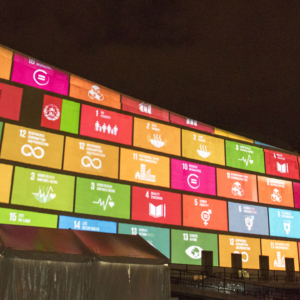
To celebrate the week and the dedicated efforts of scholarly communities to promote equitable knowledge sharing, Bristol University Press has curated a compelling collection of OA books and journal articles from our Global Social Challenges publishing program.…Read more

Colleen Campbell, coordinator of the Open Access 2020 initiative, discusses where we go next in the quest for global equity in scholarly publishing. …Read more

In this episode of the Transforming Society podcast, Jess Miles speaks with Julia Mortimer about recent developments in Open Access, community-led models and the direction Bristol University Press are heading in.…Read more

Aaron Pycroft and Clemens Bartollas, authors of 'Redemptive Criminology', discuss their new book, which offers new insights into punishment and retribution. …Read more

Flora Gill, author of 'Work and Social Justice', discusses the only circumstances in which she would support the introduction of a Universal Basic Income. …Read more
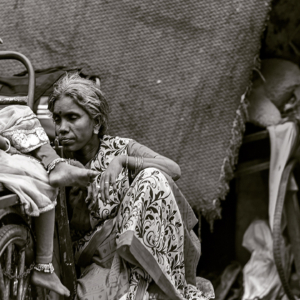
The authors of the new Open Access book, 'The Escape from Poverty', plot a path for how to break the vicious cycles that lead to the persistent and intergenerational perpetuation of poverty. …Read more

Helen Penn discusses how far we’ve come away from the community nurseries of the 1980s: a local accountable service for local people. Now it’s big business and the children are not the beneficiaries.…Read more

Anne-Marie Greenslade, contributor to 'Modern Slavery and Human Trafficking', examines the government’s continued attempt to paint migrants as exploitative and not genuine victims of modern slavery and human trafficking. …Read more

The era of climate boiling – the Pyrocene – is upon us. Extreme heat and wildfire events are both widespread and regular. Celia Roberts, Mary Lou Rasmussen, Louisa Allen and Rebecca Williamson propose the term Pyro-reproduction to explore the ways in which people forge ways of life in such conditions. …Read more

Bozena Wielgoszewska reports her findings on why the pandemic affected women’s employment rates more adversely than men’s. …Read more