


Equality, diversity and inclusion
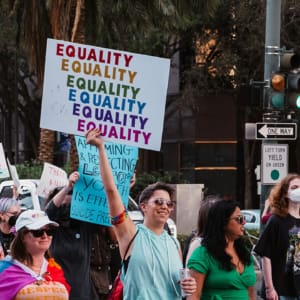
Lee Gregory, Eleanor Formby and Peter Matthews discuss how Scotland's rights-based social security system has improved the experiences of many LGBTQ+ claimants, while persistent discrimination and weakening political support continue to undermine genuine equality.…Read more

Scott Thomas and Jonathan Glazzard, authors of 'The Queer World of Prison', discuss how LGBTQIA+ prisoners face heightened risks of discrimination, isolation, violence, and inadequate support in prison, highlighting the need for systemic reforms, inclusive policies, and better staff training to ensure their safety and wellbeing.…Read more

Drawing on research for 'Cracking the Class Code', Lee Elliot Major and Anne-Marie Sim argue that success in elite workplaces is shaped not only by talent and hard work but also by hidden class-based cultural norms that influence who is seen as credible, authentic and deserving of advancement.…Read more

Francesca Romana Ammaturo, author of 'The Politics of Pride Events', argues that Pride events have become vital spaces for LGBTQIA+ visibility and resistance worldwide, but growing political hostility and declining support make grassroots solidarity essential to their survival.…Read more

Magda Romanska, author of 'Digital Access to the Performing Arts', highlights how the pandemic proved that digital theatre could dramatically expand access for disabled and marginalised audiences, but most institutions abandoned streaming after reopening, revealing persistent inequalities in cultural access.…Read more

Jonatan Leer and Stinne Gunder Strøm Krogager, authors of 'Food Porn', discuss how restaurants have long used sexualised imagery, staff roles, and nostalgic or ironic aesthetics to intertwine desire with dining, subtly reinforcing gendered power dynamics as part of the overall experience.…Read more

Tom Bewick, author of 'Skills Policy in Britain and the Future of Work', argues that Britain’s long-running skills crisis reflects a recurring pattern of under investment, social inequality, and an over relianc on market-led, voluntary training systems that have repeatedly failed to keep pace with economic change.…Read more

George Miller discusses the What Is It For? book series, inspired by Gauguin’s existential questions, arguing that in an age of global “polycrisis,” critically examining the purpose of institutions can help us imagine better alternatives, even if it cannot solve problems outright.…Read more

Gurminder K. Bhambra, editor of 'The Modern World After Colonialism', draws on Chinua Achebe’s insight to argue that dominant social-science narratives overlook colonial histories, and that re-centering empire is essential to rethinking modernity.…Read more

Samantha Parsley, author of 'Minor Keys', argues that gender-based digital violence forces women and gender-expansive electronic music artists to undertake exhausting, unpaid “ameliorative work” that harms their wellbeing, visibility and career progression, and calls for collective responsibility and allyship to address it.…Read more