


Poverty, inequality and social justice
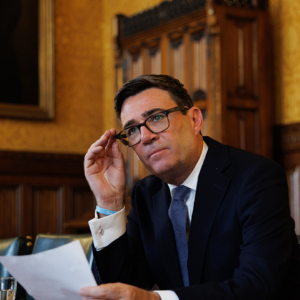
ASAP UK urges Andy Burnham to make tackling poverty a central priority through stronger social security, child-poverty action, decent wages, social housing and treating poverty as a health issue.…Read more

Is class truly in the past, or do invisible workplace codes still govern who gets a place in elite workplaces? Martin Parker speaks with Lee Elliot Major and Anne-Marie Sim about how leading employers can dismantle these class barriers.…Read more

The article argues that, rather than repeating the tragic crises of the 20th century, today’s unstable world order is characterised by a politics of farce, driven by populism, spectacle and the contradictions of a capitalism in permanent crisis.…Read more

This policy briefing explores the deep-rooted causes of poverty in the UK and argues for a new approach focused on living standards, essential goods and universal public services rather than income alone.…Read more

The policy briefing argues that unpaid carers and their organisations must be central to social care reform. Drawing on the history of the carers’ movement, it shows how carers’ organisations have raised awareness, influenced policy and developed practical solutions in the UK and internationally.…Read more

Ed Bridges discusses how Andy Burnham's devolution agenda could face a major test if it expands powers within England while resisting greater devolution for Scotland, Wales and Northern Ireland.…Read more

Lee Gregory suggests that the next Labour leader should reject the false choice between welfare and defence by arguing that reducing poverty is an essential investment in national security, economic strength, and long-term prosperity.…Read more
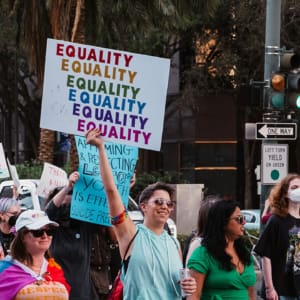
Lee Gregory, Eleanor Formby and Peter Matthews discuss how Scotland's rights-based social security system has improved the experiences of many LGBTQ+ claimants, while persistent discrimination and weakening political support continue to undermine genuine equality.…Read more

Will Snell, author of 'The Fair Necessities', examines how extreme wealth, exemplified by a trillion-dollar fortune, is rapidly widening inequality, with largely unearned and extractive wealth growth that harms economic growth, social mobility, democracy, and the environment.…Read more

Joanna Mack, author of 'Impoverished', argues that tackling poverty in the UK requires bold, long-term reforms that combine fairer incomes, lower costs for essential goods, stronger public services, and a more universal welfare system rather than relying mainly on means-tested benefits.…Read more