


Justice, law and human rights
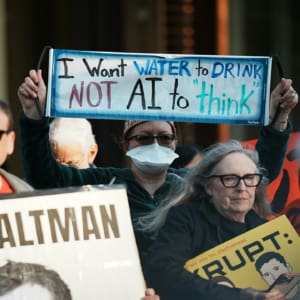
Markus Holdo, author of 'The Responsibility to Disrupt', argues that AI’s threat to democracy is its intolerance of thinking and questioning.…Read more

Luke Moffett, author of 'Algorithms of War', discusses how the growing use of AI on the battlefield is reshaping the way life-and-death decisions are made, risking dehumanising civilians by reducing them to data points.…Read more

Aisha K. Gill argues that London's response to group-based child sexual exploitation should focus on improving evidence, identification, and protection for all victims rather than fixating on offender ethnicity.…Read more

Aaron Martin, author of 'The Trust Gap', argues that the perceived "crisis of trust" is overstated: while public trust in politicians is often low, survey data shows that many people continue to have confidence in institutions such as universities, the courts, the police, and scientific experts.…Read more

Graham Box and Kenneth Chambaere, authors of 'Assisted Dying', argue that while reintroducing the previous assisted dying bill may be politically practical, Westminster should instead learn from Jersey’s more consultative and flexible model to create safer, more widely supported legislation.…Read more

Lee Gregory suggests that the next Labour leader should reject the false choice between welfare and defence by arguing that reducing poverty is an essential investment in national security, economic strength, and long-term prosperity.…Read more
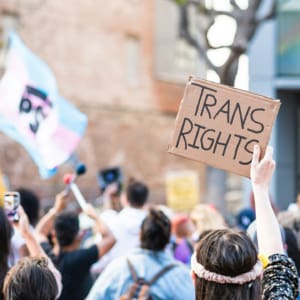
Sandra Duffy argues that the EHRC’s new guidance, following the 2025 Supreme Court ruling, effectively excludes trans people from equal participation in public life by restricting access to gendered spaces and forcing segregation, which the author says undermines their rights, dignity, and safety.…Read more

Scott Thomas and Jonathan Glazzard, authors of 'The Queer World of Prison', discuss how LGBTQIA+ prisoners face heightened risks of discrimination, isolation, violence, and inadequate support in prison, highlighting the need for systemic reforms, inclusive policies, and better staff training to ensure their safety and wellbeing.…Read more

Ahead of the ninth anniversary of Grenfell, Steve Tombs examines how the Grenfell disaster will test whether UK corporate manslaughter law can finally hold large organisations accountable for avoidable deaths, despite a long history of limited prosecutions and systemic barriers to corporate criminal liability.…Read more

Jade Levell, author of 'Boys, Childhood Domestic Abuse and Gang Involvement', examines child death records to show that knife crime prevention frequently comes too late. Her analysis argues that vulnerable children are repeatedly failed by fragmented systems that miss or overlook early experiences of violence, particularly within the home and at school. #KnifeCrimeAwarenessWeek…Read more